National Park
Jim Corbett National Park
Also known as Corbett
Established in 1936 as Hailey National Park, Corbett is India's oldest national park and the place where Project Tiger was launched in 1973.
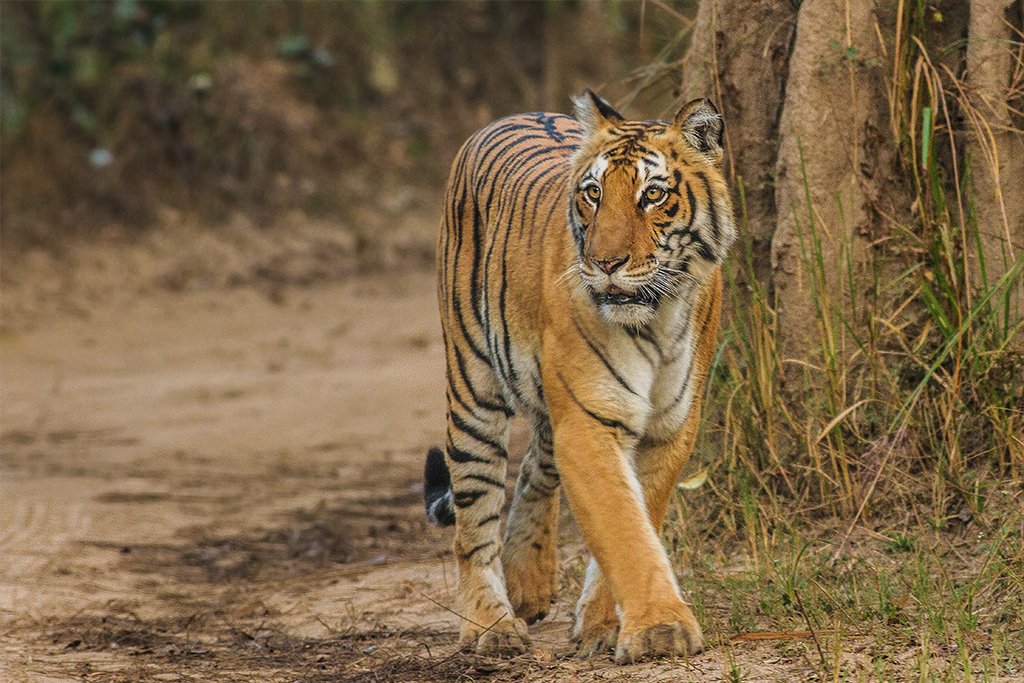
In the foothills of the Himalaya, where the Ramganga river winds through sal forest and grassy chaurs, lies India's oldest national park. Corbett is the place to listen for the alarm call of a sambar or the bark of a langur warning that a tiger is near – and, with patience, to see one walk across the track.
The park was established in 1936 as Hailey National Park and later renamed after Jim Corbett, the hunter-turned-conservationist and author of Man-Eaters of Kumaon, who helped set it up. In 1973 Project Tiger, India's flagship tiger conservation programme, was launched here.
Corbett is divided into zones such as Dhikala, Bijrani, Jhirna and Dhela, each with its own landscape. Besides tigers, it shelters elephants, leopards, sloth bears, gharials and mugger crocodiles in the Ramganga, and more than 500 species of birds.